
Transportation is a basic human need. As our cities evolve and grow, our dependence on transportation increases. The transport sector accounts for 24% of the energy consumed by all the sectors in the country (TEDDY, 2018). It is also one of the fastest growing sectors. As our economy grows and incomes increase, the demand for transport is set to increase too. It is important that this increased demand is met with a clean and sustainable transport supply. The right policy interventions can help create a transport sector that can cater to the demands of its consumers while being environmentally sustainable.
India’s Intended Nationally Determined Contributions lay emphasis on safe, smart and sustainable green transport as key means of limiting greenhouse gas emissions in India. Greening the transport sector requires policy interventions that support clean fuels, mass transit and non-motorised modes of transport as the key drivers of change.
87%
of transport sector emissions come from road transport
Source: TEDDY, 2018
14%
of energy-related CO2 emissions in 2010 came from transport
Source: Low Carbon Transport in India
95%
of the Indian transport sector’s demand for fuel is met by petroleum-based derivatives
Source: Shakti report
Indian cities are increasingly in the thrall of air pollution and road congestion. This trend will continue to see an upward spike as the number of vehicles on our roads’ increases. The combustion of fuels used in vehicles is a major contributing factor to pollution. This pollution is attributable both to the rise of private vehicle ownership and the increased use of road-based freight transport. Countering it with increased use of public transport systems, greater land-use planning and the adoption of vehicles and modes of transport that use cleaner and more efficient fuels can not only reduce congestion but also cut down air pollution drastically.
Our work at Shakti Sustainable Energy Foundation focuses on reducing emissions from road-based transport, which accounts for the highest share of emissions in the sector. We facilitate interventions in the transport sector by supporting the design and implementation of policies for better transport in cities, improved vehicle and fuel efficiency and energy efficient freight, and by supporting research that can accelerate the electric mobility transition in India.


Vehicles form the backbone of transport systems. Various modes of mobility exist to cater to the ever increasing demand in countries…
Know more
Search Our Work
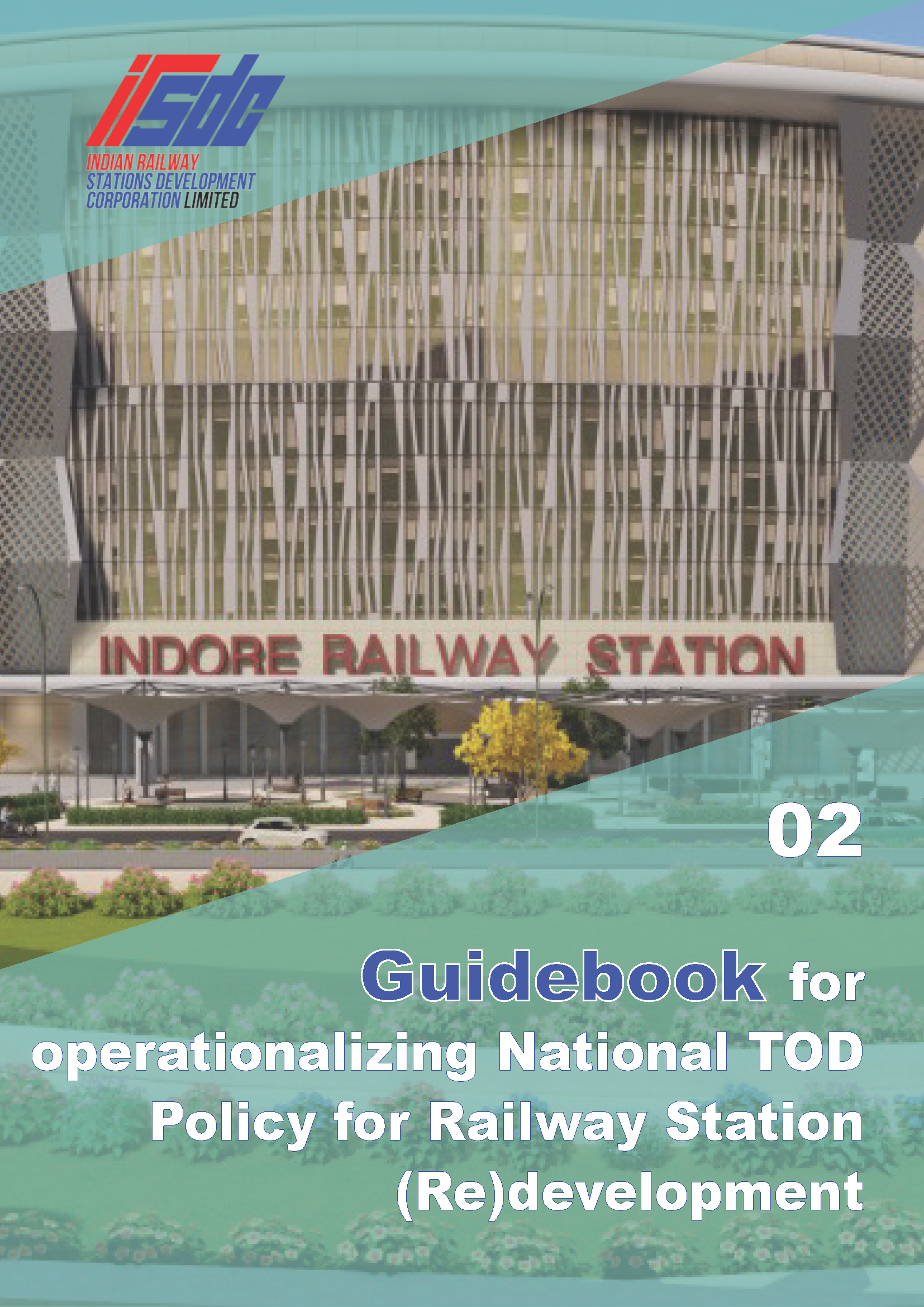
Indian Railways Adopts Form-Based Codes for Station Redevelopment
Sector: Sustainable Transport Undertaken By : Creative Footprints Recent Publication: 2021India’s rail network is a significant growth engine for our economy, and its expansion must be aligned with robust decarbonization strategies. The Railways has embarked on an ambitious 100% electrification target and announced an ambitious Station Redevelopment programme. Railway stations are dynamic public spaces that act as high-density...Read more
Bus Karo – A Forum for Public Transport Policy Action and Knowledge Sharing
Sector: Sustainable Transport Undertaken By : World Resources Institute Recent Publication: 2021Bus systems are integral to providing efficient public transport systems in cities due to their low implementation costs, flexible operations and easy scalability. To create a more strategic vision for improved bus services, Shakti has been collaborating with the Bus Karo programme. Bus Karo is a peer-to-peer knowledge sharing network consisting...Read more

Improving the Fuel Efficiency of Vehicles
Sector: Sustainable Transport Undertaken By : Centre for Science and Environment, PricewaterhouseCoopers Recent Publication: 2021Deteriorating air quality in Indian cities is a growing and serious concern. A major cause of this is the increasing emissions from the rapidly growing transport sector. Substantially improving vehicle efficiency has the potential to reduce emmissions as well as enhance energy and enrionment security.

Implementation Roadmap for Sustainable Urban Freight Mobility in Chennai
Sector: Sustainable Transport Undertaken By : IIT Madras Recent Publication: 2020The freight industry has a very complex and disintegrated system with urban freight traffic increasing day by day to meet the growing needs of an increasingly urban population. Urban freight transport is the movement of freight vehicles into, out of and within an urban area. The urban freight system includes manufacturing facilities, seaports,...Read more

Electrification of Urban Freight in India
Sector: Sustainable Transport Undertaken By : The Energy and Resource Institute Recent Publication: 2021Urban freight movement forms a fundamental part of the overall transportation supply chain. Movement of goods originating from or outside the urban periphery which enter into an urban area through commercial road vehicles forms the urban freight network. Such movement is usually catered by both light commercial vehicles (LCVs) and medium and...Read more