
India boasts one of the fastest growing economies in the world. The coming decades are poised to witness a rise in population, an increasing trend towards urbanization, rapid technological advancement, and a stronger push towards domestic manufacturing- all of which require energy. A large proportion of the energy we use in India at present is derived from traditional energy sources. An increased demand for energy might consequentially translate into higher carbon emissions unless we prioritise making our current systems more energy and resource efficient.
The industrial sector, which is a key driver of growth in India, is also responsible for approximately 26% of India’s total greenhouse gas emission in 2014 and 41% of the total commercial electricity consumption of the country in 2019. And with the government’s push for more indigenous manufacturing, the sector’s energy demand is only set to grow further. Implementing energy transition in the sector by adopting decarbonization technologies, demand management and energy efficiency can therefore have major payoffs for India’s emission profile. The government, in conjunction with the Bureau of Energy Efficiency and other stakeholders, has already put into place various initiatives, like the Perform, Achieve and Trade (PAT) and the SME scheme for Small and Medium enterprises, aimed at reducing the energy intensity of the sector.
Electricity consumption in the industrial sector is closely followed by increasingly high electricity consumption in residential and commercial buildings. Space cooling constitutes a major component of the energy demand in buildings. Governmental initiatives like the Energy Conservation Building Code (ECBC), voluntary initiatives on green building guidelines or rating and a push for the adoption of thermal performance in building design, and construction materials can help reduce the internal heat load and lower space cooling requirements in buildings.
The India Cooling Action Plan launched by government of India recognises cooling as a development need with direct linkages with sustainable development goals like Health and Wellbeing (SDG 3), Decent Work and Economic Growth (SDG 8), Sustainable Cities and Communities (SDG 11) and Climate Action (SDG 13), has committed to make cooling sustainable and accessible to all. The current energy demand for cooling and thermal comfort in space cooling, cold chain and mobility is far away from reaching its peak. Demand for cooling in these sectors is expected to rise nearly 5 to 8 times as compared to 2017-18. Again, the current set of refrigerants used in air conditioning and refrigeration system have high global warming potential. Higher level of energy efficiency and refrigerant transition in cooling has the potential of restricting the global mean temperature increase by 0.5 degree centigrade.
11%
India’s share of total global primary energy demand by 2040
50%
Energy intensity reduction through new energy efficiency policies by 2040
45%
High energy efficiency can reduce cooling electricity demand by 2050
IEA analysis indicates that India avoided an additional 15% of annual energy demand and 300 million tons of carbon di oxide emissions between 2000 to 2018 by adopting energy efficiency in industry, business and domestic sectors.
Shakti Sustainable Energy Foundation works with stakeholders in the government, academia, civil society, and industries to aid the design and implementation of policies that lead to low carbon growth in the three sectors: Industry, Buildings and Cooling.
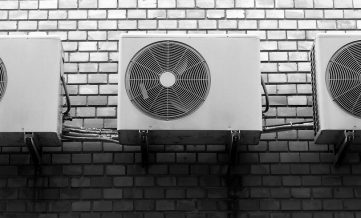
The demand for cooling is rising in tandem with the rise in global temperatures. This is especially true of a largely tropical, developing economy like India where rising temperatures…
Know more

Buildings already account for more than 30 percent of India’s electricity use, and two-thirds of the buildings that will exist in India by 2030 are yet to be built…
Know more
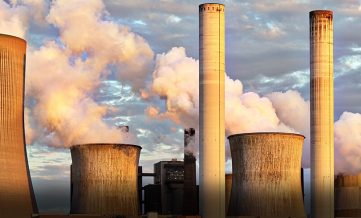
The Industry sector accounts for 40% of the country’s total energy consumption. Energy efficient processes and other energy saving measures can bring about considerable savings…
Know more
Search Our Work

Implementing Sustainable Transport Projects in Smart Cities Programmes
Sector: Energy Efficiency Undertaken By : ICLEI – SA Recent Publication: 2019In the past, support from Shakti helped four cities—Visakhapatnam, Kakinada, Jaipur and Udaipur—to include sustainable mobility and built environment components into their Smart City Proposals. Based on the strength of the proposals, all four cities made it to the list of top 20 cities selected for the first round of funding under the Smart...Read more

Cleaner and More Energy Efficient Cold chains in India
Sector: Energy Efficiency Undertaken By : MP Ensystems Advisory Private Limited Recent Publication: 2019Around Rs. 92,000 crores worth of major agricultural produce (at 2014 wholesale prices) is lost in India every year (Central Institute of Post-Harvest Engineering and Technology, 2016). The actual economic loss would be compounded if we consider retail price, hunger, farmer distress and farm loan wavers. While many factors contribute to...Read more

Advancing Building Energy Efficiency in India
Sector: Energy Efficiency Undertaken By : Centre for Environmental Planning and Technology (CEPT) Recent Publication: 2018India’s rising population coupled with rapid urbanization will augment the demand for newer buildings in the country. According to estimates, India’s building sector is forecasted to grow fivefold from 2005-30. This will translate into creating a similar sectoral energy demand which currently accounts for almost 33% of total energy consumption...Read more
Energy Efficiency with Internet of Things (IoT)
Sector: Energy Efficiency Undertaken By : PricewaterhouseCoopers Recent Publication: 2018The Internet of Things, popularly known as IoT, is an emerging disruptive technology that transforms the way physical objects and assets operate and add value in any industry vertical. India has become a rapidly growing hub for IoT solutions. It is estimated that the Indian market for IoT is likely to touch USD 15 billion in the next five years....Read more

Energy Efficiency Through ESCOs
Sector: Energy Efficiency Undertaken By : Multiple Recent Publication: 2017The growing energy deficit coupled with fluctuating global energy prices has led to greater focus on energy efficiency. One of the most important ways to realize energy efficiency potential in industries is through Energy Services Companies (ESCOs), which implement energy efficiency projects though Energy Savings Performance Contracting....Read more