
Shakti Sustainable Energy Foundation seeks to facilitate India’s transition to a cleaner energy future by aiding the design and implementation of policies that promote clean power, energy efficiency, sustainable urban transport, climate policy and clean energy finance.
Clean Power
The Clean Power programme works to mainstream renewable energy, support utility-led energy efficiency and aid development by providing access to reliable sources of energy across India.
Renewable Energy

Renewable energy has immense potential to meet India’s growing energy needs. The ambitious target of 450GW of renewable energy by 2030 and falling prices of renewable technology have spurred the market for renewables.
Electric Utilities

Distribution utilities supply electricity to consumers and in turn collect revenues to keep the sector going. The implementation on utility-led efficiency measures in India can generate widespread energy savings.
Access for Development
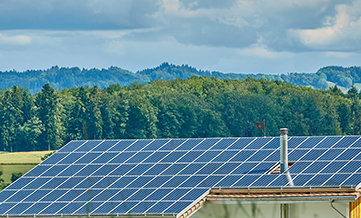
Many Indians still lack access to reliable and affordable electricity, which not only constrains productive activities but also hinders the delivery of essentials such as safe drinking water, healthcare, and education.
Energy Efficiency
The Energy Efficiency programme works with stakeholders in the industry, buildings, and cooling sector to improve energy use in these sectors.
Cooling
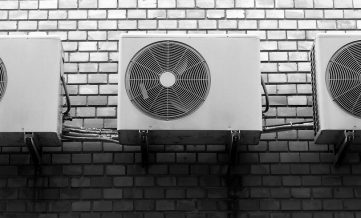
India’s growing consumer appliance market is adding to the demand for energy. Energy efficiency and conservation practices for home appliances and industrial equipment can help reduce energy consumption, emissions and energy cost burdens.
Buildings

Buildings account for more than 30% of electricity use in India. Two-thirds of the buildings that will exist in India by 2030 are yet to be built. Urbanization has led to a sharp increase in the urban building floor area and in the demand for space cooling.
Industry
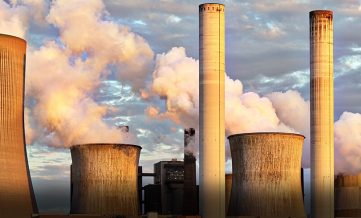
India’s energy demand is rapidly increasing and is expected to double by 2030. The Industry sector accounts for 40% of total energy consumption. Energy efficiency measures in industries can bring about considerable energy savings.
Sustainable Transport
The Transport Programme works towards sustainable urban transport, improved vehicle and fuel efficiency and energy efficient freight.
Cities

Indian cities are growing at an unprecedented scale and pace. With an urban population of over 377 million people—and growing quickly—India must focus on delivering sustainable urban mobility solutions.
Vehicles and Fuels

India is the sixth largest producer of passenger vehicles in the world. Car sales have rapidly increased in the last few years, with India surging ahead of bigger markets like China, Brazil and Europe.
Freight

Although the freight fleet accounts for only five percent of the total vehicles in India, it contributes disproportionately to fuel use (around 55%) and emissions (around 60%) in the road transport sector.
Climate Policy
The Climate Policy programme focuses on air quality management and low carbon development with the aim of improving air quality monitoring and reducing emissions.
Low-Carbon Development

Pursuing a low carbon development pathway provides a growth paradigm that will enable India to achieve its development aspirations while responding to the threat of climate change.
Air Pollution

Deteriorating air quality due to the release of hazardous pollutants from multiple sources is a growing challenge. Most Indian cities report poor levels of air quality, affecting the health of citizens and economic activity.
Clean Energy Finance
The Clean Energy Finance programme focuses on catalysing financial capital to meet India’s climate and energy goals. We also work with stakeholders to build awareness of climate risks to business owners and increase the adoption of mitigation measures like climate risk reporting and the setting of science-based targets.
Policy and Regulation

Policy is a key determining factor in promoting the continued growth in clean energy. The recent policy push for renewables in India has led to growth in utility-scale renewable energy.
Institutions and Businesses
Continued progress toward a clean energy future will require unprecedented amounts of accessible and fully-scaled capital channeled through various avenues and facilities.
Instruments and Markets

India’s growing clean energy market requires specialized low-cost and long-term fund raising instruments for clean energy projects. However, there are a limited number of investment instruments that cater specifically to the clean energy sector.
Instruments and Markets

It is estimated that over a quarter of India’s emissions are directly caused by the commercial and industrial sectors, thereby making them crucial stakeholders in any effort to achieve our NDC commitment of reducing the country’s energy intensity by 33-35% by 2030.
Electric Mobility
The Electric Mobility programme works with stakeholders across sectors to advance the adoption of electric vehicles in India.