
India is a rapidly developing nation. While a major proportion of its population continues to live in rural areas, a demographic shift towards urban spaces is fast taking place. The number of urban spaces in India increased from 5,161 in 2001 to 7,935 in 2011 and continues to grow steadily. Urban areas offer better opportunities for economic prosperity and better access to resources, making them the preferred choice of a growing number of people.
However, the increasing population in cities also puts a strain on the resources of the city, leading to congestion and urban sprawl as well as pollution. In order to sustainably meet the demands of a growing number of people, cities need to allocate resources carefully and rely on cleaner sources of energy to power their economic activities. Cities also need to be planned efficiently in order to accommodate not only the present-day populace inhabiting them and also anticipate future demand and provide for it.
Transport is one of the first sectors to be impacted by an increase in demand in the urban space. Growing numbers in cities translate into a heavier load on the public transport systems in the city. If the public transport infrastructure is not strong enough to meet the demand, it leads to an increase in private vehicles which leads to greater congestion on the roads and leads to a lack of parking spaces. As the urban spaces in India continue to grow and expand, the country must look towards building sustainable transport systems that can contribute to cleaner and more efficient towns and cities.
230 million
registered vehicles in India (as on March 31, 2016)
8-fold
Increase in travel demand since the 1980s
$22 billion
Collective congestion costs borne by Delhi, Mumbai, Kolkata, and Bengaluru
Sustainable transport focuses on developing transport systems that integrate better urban public transport systems and non-motorised transport, land-use planning and transit-oriented development, in cities. Shakti Sustainable Energy Foundation works to promote policies that pave the way for the adoption of such systems.
Search Our Work
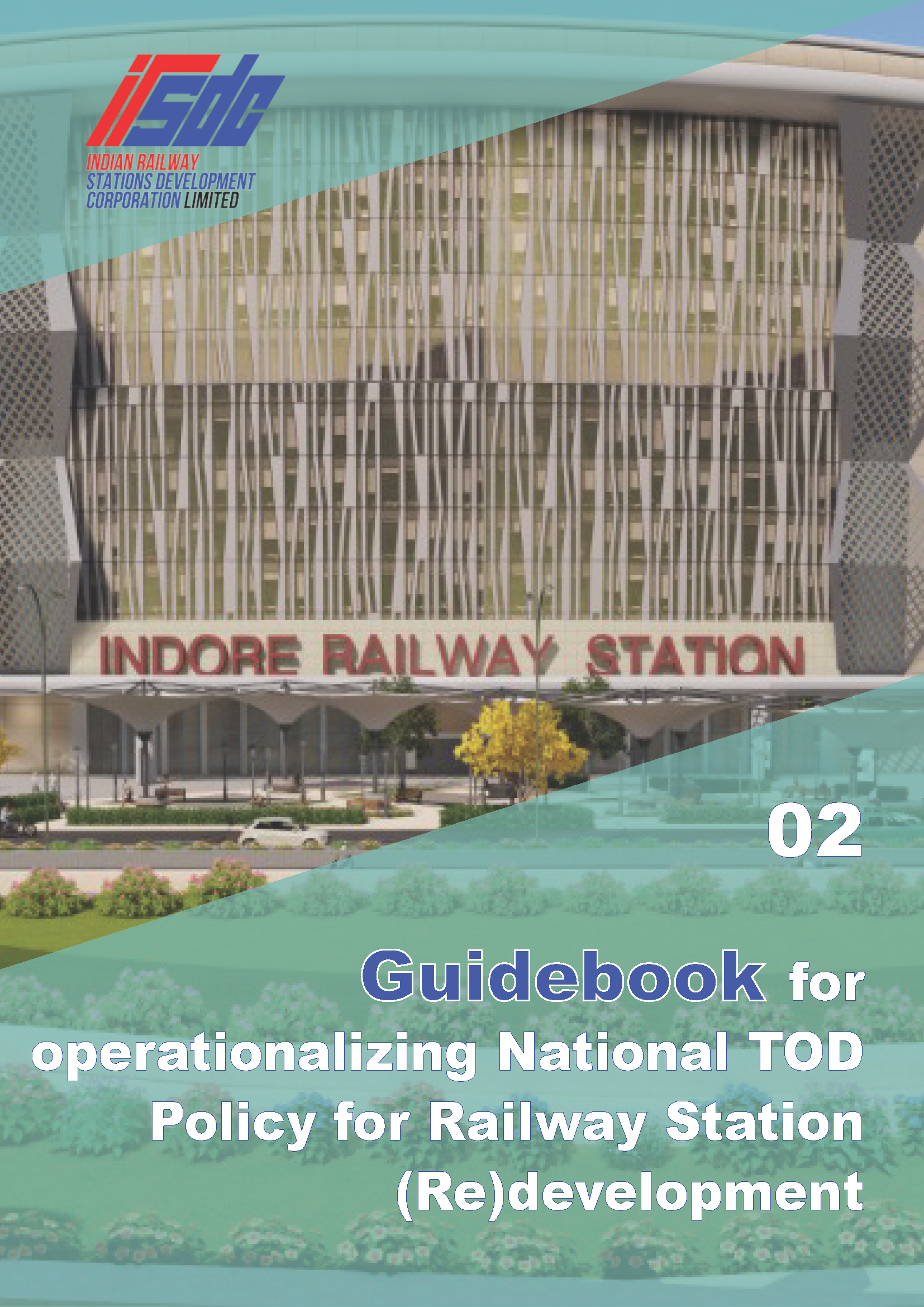
Indian Railways Adopts Form-Based Codes for Station Redevelopment
Sector: Sustainable Transport Undertaken By : Creative Footprints Recent Publication: 2021India’s rail network is a significant growth engine for our economy, and its expansion must be aligned with robust decarbonization strategies. The Railways has embarked on an ambitious 100% electrification target and announced an ambitious Station Redevelopment programme. Railway stations are dynamic public spaces that act as high-density...Read more
Bus Karo – A Forum for Public Transport Policy Action and Knowledge Sharing
Sector: Sustainable Transport Undertaken By : World Resources Institute Recent Publication: 2021Bus systems are integral to providing efficient public transport systems in cities due to their low implementation costs, flexible operations and easy scalability. To create a more strategic vision for improved bus services, Shakti has been collaborating with the Bus Karo programme. Bus Karo is a peer-to-peer knowledge sharing network consisting...Read more

Road Pricing for Travel Demand Management
Sector: Sustainable Transport Undertaken By : Institute of Urban Transport Recent Publication: 2020Indian cities are witnessing a rapid increase in the share of trips made by privately owned motorised vehicles. This is leading to externalities like increased air pollution, energy consumption and congestion. It is important to introduce appropriate pricing mechanisms that dis-incentivise the use of private vehicles and curb the related negative...Read more

Value Capture Finance (VCF) for Sustainable Transport Infrastructure
Sector: Sustainable Transport Undertaken By : Multiple Recent Publication: 2020In 2017, the Ministry of Housing and Urban Affairs (MoHUA) released the National TOD Policy acknowledging the importance for cities to adopt TOD within their development plans. Many states have adopted and released their own TOD policies. However, despite policy action, two critical barriers to implement TOD remained unaddressed. The first was the...Read more

Roadmap for Low-Carbon and Sustainable Mobility in India
Sector: Sustainable Transport Undertaken By : Federation of Indian Chambers of Commerce and Industry Recent Publication: 2020India’s Nationally Determined Contributions (NDCs) commit to reduce emission intensity of the Indian economy by 33 to 35 per cent from 2005 levels. The transport sector is one of the main drivers of climate change in the world (~25% of CO2 emissions). In India, it is the third largest emitter at 10%, and is expected to grow sevenfold by 2050...Read more