
India boasts one of the fastest growing economies in the world. The coming decades are poised to witness a rise in population, an increasing trend towards urbanization, rapid technological advancement, and a stronger push towards domestic manufacturing- all of which require energy. A large proportion of the energy we use in India at present is derived from traditional energy sources. An increased demand for energy might consequentially translate into higher carbon emissions unless we prioritise making our current systems more energy and resource efficient.
The industrial sector, which is a key driver of growth in India, is also responsible for approximately 26% of India’s total greenhouse gas emission in 2014 and 41% of the total commercial electricity consumption of the country in 2019. And with the government’s push for more indigenous manufacturing, the sector’s energy demand is only set to grow further. Implementing energy transition in the sector by adopting decarbonization technologies, demand management and energy efficiency can therefore have major payoffs for India’s emission profile. The government, in conjunction with the Bureau of Energy Efficiency and other stakeholders, has already put into place various initiatives, like the Perform, Achieve and Trade (PAT) and the SME scheme for Small and Medium enterprises, aimed at reducing the energy intensity of the sector.
Electricity consumption in the industrial sector is closely followed by increasingly high electricity consumption in residential and commercial buildings. Space cooling constitutes a major component of the energy demand in buildings. Governmental initiatives like the Energy Conservation Building Code (ECBC), voluntary initiatives on green building guidelines or rating and a push for the adoption of thermal performance in building design, and construction materials can help reduce the internal heat load and lower space cooling requirements in buildings.
The India Cooling Action Plan launched by government of India recognises cooling as a development need with direct linkages with sustainable development goals like Health and Wellbeing (SDG 3), Decent Work and Economic Growth (SDG 8), Sustainable Cities and Communities (SDG 11) and Climate Action (SDG 13), has committed to make cooling sustainable and accessible to all. The current energy demand for cooling and thermal comfort in space cooling, cold chain and mobility is far away from reaching its peak. Demand for cooling in these sectors is expected to rise nearly 5 to 8 times as compared to 2017-18. Again, the current set of refrigerants used in air conditioning and refrigeration system have high global warming potential. Higher level of energy efficiency and refrigerant transition in cooling has the potential of restricting the global mean temperature increase by 0.5 degree centigrade.
11%
India’s share of total global primary energy demand by 2040
50%
Energy intensity reduction through new energy efficiency policies by 2040
45%
High energy efficiency can reduce cooling electricity demand by 2050
IEA analysis indicates that India avoided an additional 15% of annual energy demand and 300 million tons of carbon di oxide emissions between 2000 to 2018 by adopting energy efficiency in industry, business and domestic sectors.
Shakti Sustainable Energy Foundation works with stakeholders in the government, academia, civil society, and industries to aid the design and implementation of policies that lead to low carbon growth in the three sectors: Industry, Buildings and Cooling.
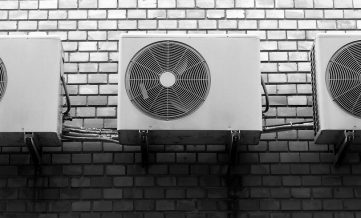
The demand for cooling is rising in tandem with the rise in global temperatures. This is especially true of a largely tropical, developing economy like India where rising temperatures…
Know more

Buildings already account for more than 30 percent of India’s electricity use, and two-thirds of the buildings that will exist in India by 2030 are yet to be built…
Know more
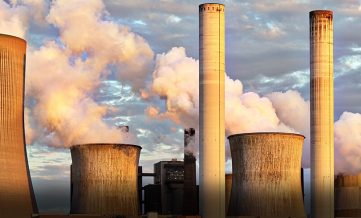
The Industry sector accounts for 40% of the country’s total energy consumption. Energy efficient processes and other energy saving measures can bring about considerable savings…
Know more
Search Our Work

Decarbonising India’s Hard-to-Abate Manufacturing Sectors with Green Hydrogen
Sector: Energy Efficiency Undertaken By : Council on Energy, Environment and Water Recent Publication: 2021Between 2005 to 2012, the demand for primary energy from the industrial sector increased more than two-fold, primarily driven by the economic growth of the sector. But India's manufacturing sector continues to depend heavily on traditional, carbon-intensive fuel sources to meet its energy demands. The share of India’s industrial emissions in...Read more

Towards Green Cooling in India
Sector: Energy Efficiency Undertaken By : International Forum for Environment, Sustainability and Technology (iFOREST) Recent Publication: 2021With heat waves sweeping across cities in India, the need for cooling solutions is more urgent than ever. India’s cooling demand is projected to grow by eight times in the next 20 years. This will lead to a significant increase in cooling demand, stress on the electricity grid and the release of high Global Warming Potential (GWP) refrigerants...Read more

Small and Medium Enterprises Energy Efficiency and Knowledge Sharing (SAMEEEKSHA) Platform
Sector: Energy Efficiency Undertaken By : The Energy and Resource Institute Recent Publication: 2020The Small and Medium Enterprises Energy Efficiency and Knowledge Sharing (SAMEEEKSHA) platform was set up to allow various stakeholders in the MSME ecosystem to pool and share the knowledge of institutions and key stakeholders that work towards promoting energy efficiency in India’s MSME sector. The website of the platform provides a more...Read more
Managing Energy Use Data in Residential and Commercial Buildings
Sector: Energy Efficiency Undertaken By : Alliance for an Energy Efficient Economy Recent Publication: 2020Demand side energy management strategies for residential and commercial buildings depend on accurate, comprehensive data that is readily available and up to date. While there are several organizations that map energy use data in India, the available data lacks consistency and granularity, and is not comprehensive, easily accessible, or collected...Read more

Community Cooling Hubs
Sector: Energy Efficiency Undertaken By : Centre for Environment Education Recent Publication: 2020Cooling is inter-linked with several aspects of human health and wellbeing. In a warming world, protection of fresh and nutritious food, safe medicines and protection of the population from extreme heat are essential. Cooling is also directly related to work conditions, economic productivity of the working population, and income generation. An...Read more